
Lessons from Tesla, Apple, and Google for Startup Founders

Every startup founder dreads it: the big demo, the spotlight, the moment everything’s working perfectly — until it isn’t.
A click, a glitch, a frozen screen.
The audience gasps.
You freeze.
It’s the stuff of demo nightmares — unless you learn how to own it.
From Tesla’s accidental shatter, to Apple’s Wi-Fi failure, to Google’s staged suspense, the world’s biggest companies have proven one thing: a product launch doesn’t need to go perfectly to succeed. In fact, a little imperfection might make it even more powerful.
1. The Tesla Cybertruck: Failure That Became a Phenomenon
In 2019, Elon Musk stood on stage to unveil the Tesla Cybertruck — an angular, futuristic vehicle with “armor glass.” To prove its strength, Tesla’s design chief threw a metal ball at the window.
It cracked.
Then it cracked again.
It wasn’t scripted. The reaction on Musk’s face said it all. But what could have been a PR disaster became one of the most viral tech moments of the decade. The Cybertruck trended worldwide for weeks, and preorders spiked.


Why it kind of worked:
It showed ambition and authenticity. The demo failed, but Tesla didn’t flinch — and that made the brand feel transparent even though it was a total fail.
Startup takeaway:
People don’t expect perfection. They expect passion. Handle surprises with confidence and humor — that’s what builds trust and sells belief.
2. Apple’s iPhone 4 Wi-Fi Fail: Grace Under Pressure
During the iPhone 4 reveal in 2010, Steve Jobs’ live demo of Safari stalled. The Wi-Fi had overloaded from hundreds of journalists using the same network.
Jobs didn’t panic. He cracked a joke, asked the audience to disconnect, and moved on.

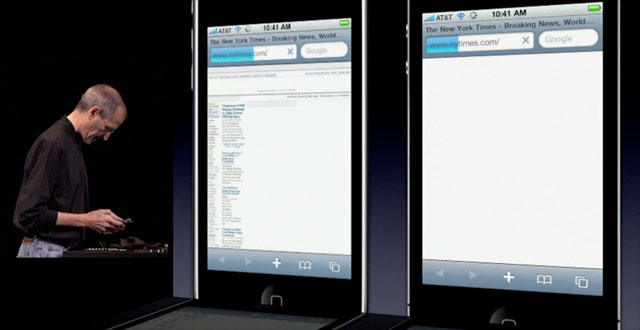
Why it worked:
The product didn’t need to prove itself technically in that moment — Jobs proved it emotionally. His calm, charm, and mastery under stress reinforced Apple’s reliability.
Startup takeaway:
Practice your reaction, not just your demo. Investors and customers are watching how you respond when things go wrong. That’s leadership in real time.
3. Google Glass: The “Fake Problem” That Set Up a Wow Moment
Not all “problems” are accidents. During Google I/O 2012, Sergey Brin interrupted a live talk saying the Glass demo wasn’t ready yet. Suddenly, the screen showed a live video feed from skydivers wearing Glass — jumping out of a plane, landing on the roof, and walking onto the stage.
The crowd lost its mind. The “problem” had been a setup for one of the most memorable reveals in tech history.

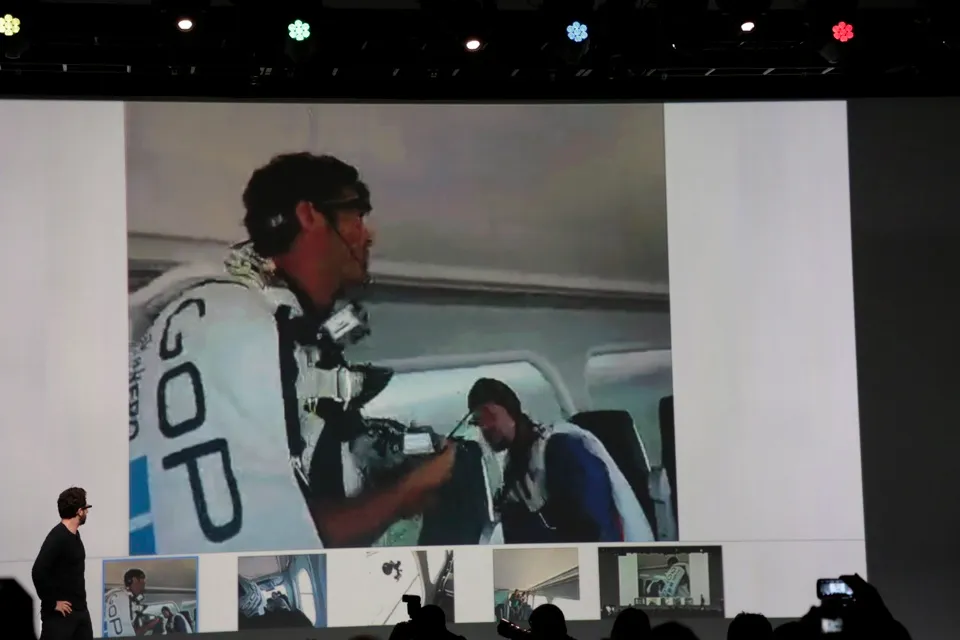

Why it worked:
The fake issue created tension — the audience’s disbelief became anticipation, which turned into pure excitement.
Startup takeaway:
A little suspense can supercharge attention. If you can build anticipation in your pitch — then deliver a reveal — you’ll make your product unforgettable.
What Startups Can Learn About Selling from “Broken” Demos
Whether your problem is real or staged, your reaction defines the outcome. Here’s what founders can take from these moments:
- Think of your demo as storytelling, not just showing. Every story needs a moment of tension before resolution.
- Control what you can — and embrace what you can’t. People admire composure under stress more than flawless execution.
- Prepare your pivot lines. (“Looks like it’s thinking harder than we are.”) Humor buys you credibility and time.
- Sell your resilience. Show that your team can handle the unexpected — that’s what investors and customers buy into.
- Be transparent. If you stage suspense or a fake “glitch,” reveal it. The goal is drama, not deception.
The Real Product You’re Selling
The truth is, in every demo, you’re not just selling software, hardware, or an idea —
you’re selling belief.
Belief that you can adapt.
Belief that you can stay calm.
Belief that your vision is stronger than your setback.
A perfect demo impresses people.
A resilient founder inspires them.